
Compounded asafoetidamanufacturer
Kichin Foods is a trusted manufacturer of premium-quality compounded Asafoetida, committed to delivering authentic flavour, consistent quality and customer satisfaction.
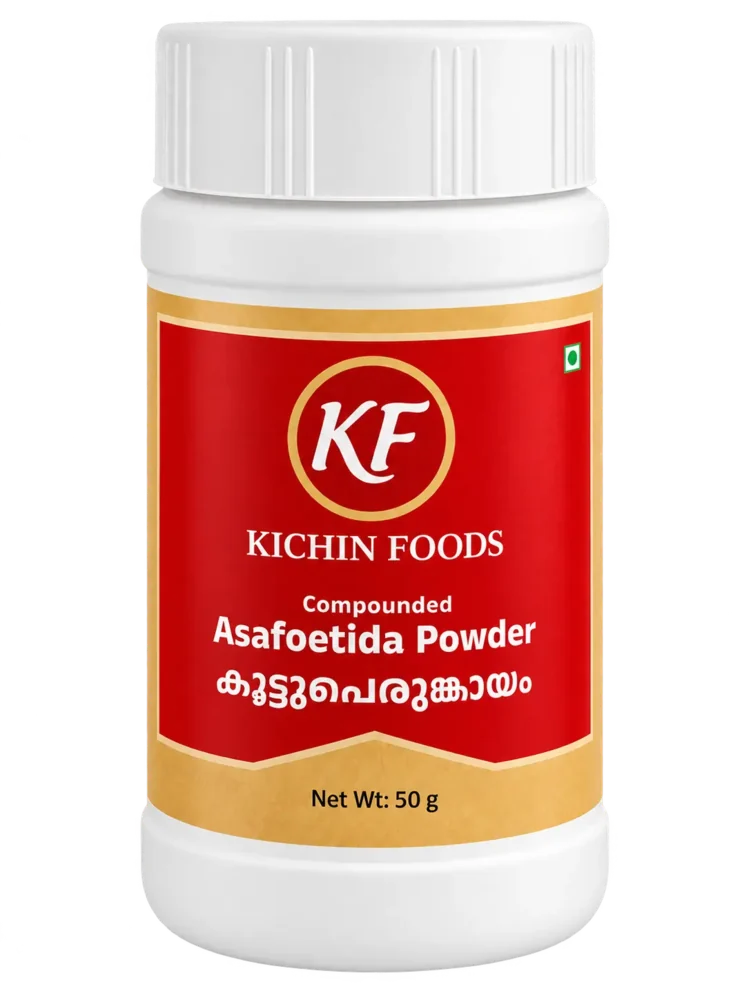
About Kichin Foods
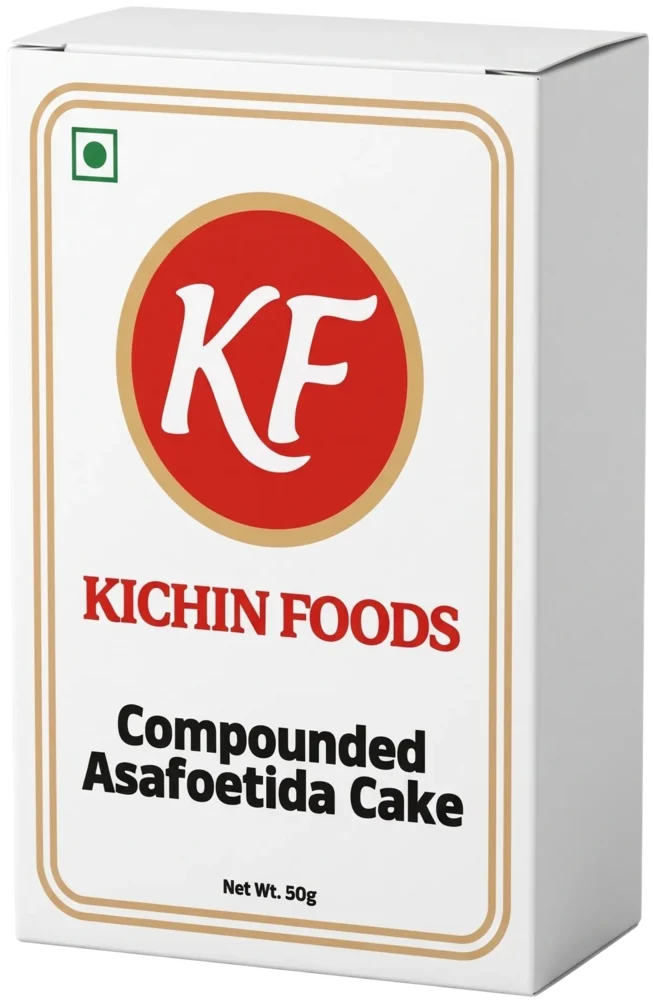
Our manufacturing process combines carefully selected imported raw materials with modern processing techniques and stringent hygiene standards. Every batch is produced in a clean and controlled environment with a strong focus on consistency, quality and food safety.
We understand that every customer and every market has different requirements. That is why we offer customized quality and manufacturing solutions based on specific customer needs, applications and market preferences.
Serving customers across India, Kichin Foods caters to wholesalers, retailers, distributors, hotels, catering businesses and curry powder manufacturers, providing reliable compounded Asafoetida solutions for both commercial and retail requirements.
With a strong focus on quality, reliability and customer satisfaction, Kichin Foods continues to deliver premium compounded Asafoetida backed by consistency, trust and excellence.
Where the resin comes from
We specialize in the manufacturing of compounded Asafoetida using top-quality raw materials directly imported from renowned origins including Afghanistan, Tajikistan, Kazakhstan and Uzbekistan.
Asafoetida is not a spice that is grown and picked. It is a resin, tapped from the root of the Ferula plant and left to harden in the open air before it is scraped off by hand and collected.
Ferula is a cold-desert plant. It wants high ground, thin rainfall and well-drained soil, and it is not cultivated commercially in India. That is why the raw material for kayam is grown and tapped where it is, and why it travels the distance drawn here before it reaches a mill.
Our Services
At Kichin Foods, our expertise is focused on compounded Asafoetida. We provide flexible manufacturing and supply solutions for businesses of different sizes and requirements.
Private Labelling
Launch compounded Asafoetida under your own brand. We provide private-label and repacking solutions for businesses looking to offer Asafoetida under their own brand name.
Customized Quality
Every market has different requirements. We can provide customized quality and product specifications of compounded Asafoetida according to your business needs, particularly for curry powder manufacturers blending it into their own formulations.
Bulk & Wholesale Supply
We supply compounded Asafoetida for wholesalers, distributors, retailers and commercial food businesses requiring consistent quantities and quality.
Retail Supply
Our products are also available in retail-ready formats for businesses serving end consumers.
Who We Serve
- 01Hotels & Restaurants
- 02Catering Businesses
- 03Pickle Manufacturers
- 04Snack & Chip Manufacturers
- 05Curry Powder Manufacturers
- 06Retailers & Wholesalers
- 07Private-Label Brands
Questions we get
What is compounded asafoetida?
Asafoetida resin on its own is too strong and too hard to use straight. Compounded asafoetida is that resin blended with edible carriers. Ours is made from raw asafoetida, gum arabic, refined wheat flour and edible oil.
Is kayam the same as hing and asafoetida?
Yes. Kayam is the Malayalam name, perungayam or perumkayam the Tamil, hing the Hindi, asafoetida the English. Same spice.
Where does the raw material come from?
Ferula is not grown commercially in India, so every gram of hing here is imported. Ours comes in from Afghanistan, Tajikistan, Kazakhstan and Uzbekistan.
Can you match a strength we already buy?
That is what customised quality means here. Tell us what you are using now, or send a sample, and we will work to it rather than handing you our standard grade and hoping it suits. Different markets want different strengths and flavours.
Do you supply in bulk?
Yes. Bulk supply for manufacturers who use hing as an ingredient rather than selling it on. Tell us the quantity and the pack format you need it in.
Talk to us
- Where we are
- Thrissur, Kerala 680028
- @kichinfoodsofficial